Set a Fixed Budget
Choose an amount you can afford to lose and treat it as entertainment spending only.
 Register
PHPH33 responsible gaming guidance helps adult users in the Philippines make calmer choices around online gaming. Learn how to set spending and time boundaries, understand uncertainty, protect account details, notice harmful habits, and pause activity when entertainment begins to create pressure.
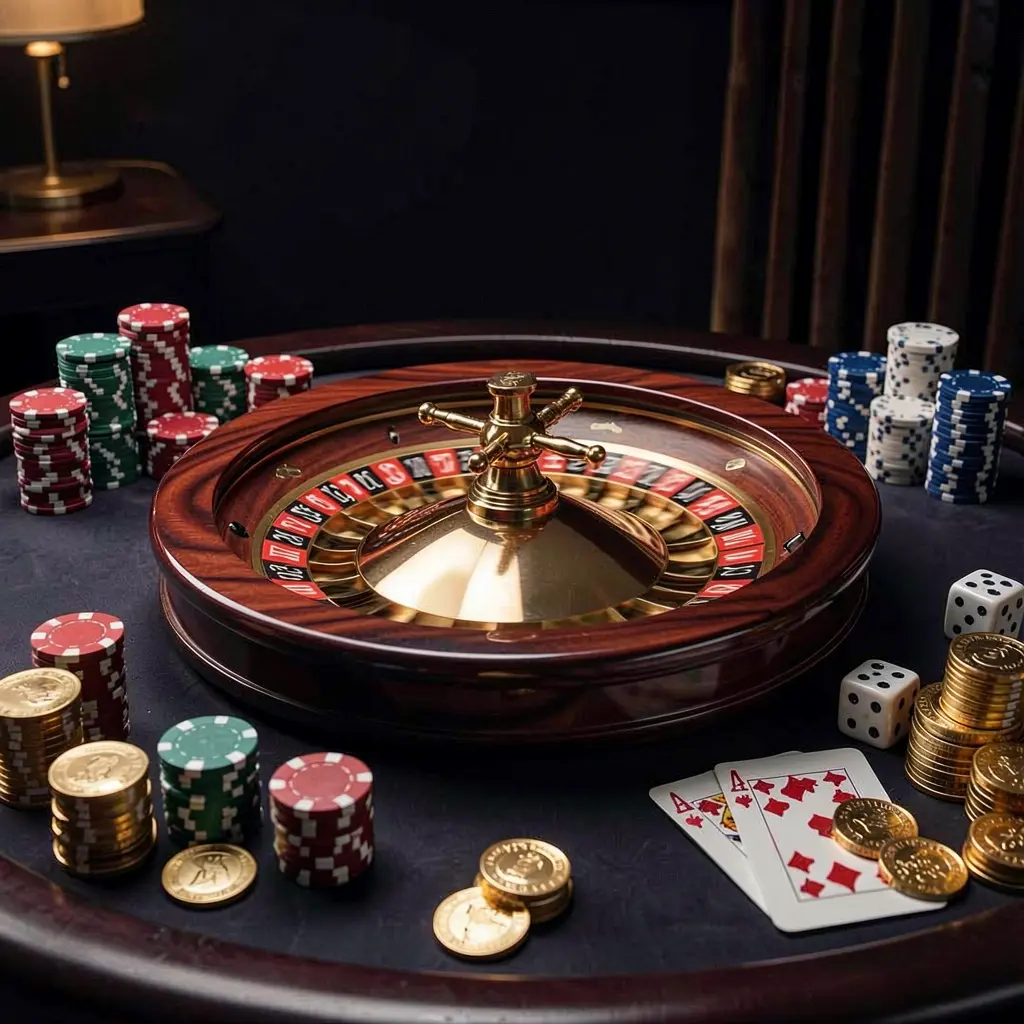
PHPH33 users should approach gaming-related activity as optional entertainment, never as a solution for debt, household costs, or financial uncertainty. Results are unpredictable, and every session can involve losses. Setting clear limits before logging in helps keep decisions practical rather than emotional.
In the Philippines, adults should also consider whether online gaming activity is permitted in their location and under their circumstances. Website access alone does not confirm that participation or payment activity is appropriate. When unsure, pause and seek reliable local guidance before proceeding.
A sensible plan includes a fixed entertainment budget, a specific end time, and a decision not to deposit again after reaching either boundary. The plan should be made before viewing games, offers, balances, or messages that may encourage an unplanned decision.
Responsible use also means keeping gaming separate from important daily needs. Money for food, transport, housing, school, healthcare, savings, debt, or family responsibilities should never be included in a gaming budget.
Choose an amount you can afford to lose and treat it as entertainment spending only.
Set an alarm before starting and leave when it sounds, regardless of results.
Past results, patterns, and near misses cannot predict what will happen next.
Do not play to impress others, follow unsolicited advice, or hide financial activity.
Keep passwords, OTP codes, identity documents, and payment details private from unofficial contacts.
A short preparation routine can make it easier to avoid rushed deposits, prolonged sessions, and decisions driven by disappointment. Follow the same routine each time, including when the activity appears casual or familiar.
Only consider a session when calm and clear-headed. Avoid logging in after an argument, while exhausted, after drinking, or when worried about money or personal problems.
Decide the maximum time and entertainment amount before opening the account. Record both limits somewhere visible and do not change them during the session.
Review relevant promotion, payment, verification, and withdrawal conditions carefully. If any wording is unclear, do not assume that an offer works in your favor.
End the session when the budget, time limit, or stop point is reached. Do not continue to recover a loss, use a remaining balance, or chase a better result.
After closing the account, consider whether you remained comfortable and in control. If not, take a break and avoid immediate return visits or additional payments.
Gaming becomes more concerning when it creates stress, secrecy, or financial strain. Honest self-checks can help users notice a pattern early, before it affects relationships, work, studies, sleep, or essential spending.
If any of these habits become frequent, stop gaming activity and avoid further deposits. Speaking with a trusted family member, friend, financial adviser, or specialist support service can help create a safer next step.
Taking a break is a practical safeguard, not a punishment. Users can step away for a few hours, days, or longer when they feel distracted, frustrated, pressured, or tempted to exceed a personal limit.
Where available, tools such as spending limits, session reminders, cooling-off periods, self-exclusion, account closure, and transaction records may support safer choices. It is usually easier to use these options early rather than waiting until control feels difficult.
Account security supports responsible play as well. Use a unique password, secure personal devices, sign out after use, and never share OTP codes, recovery links, screenshots, or identification details through unverified messages or social media contacts.
The healthiest approach is to keep online gaming optional and easy to leave behind. If it affects your finances, mental wellbeing, relationships, responsibilities, or ability to stop, pause immediately and seek appropriate support.
Answers to common questions about safer limits, account protection, breaks, warning signs, and responsible online gaming decisions in the Philippines.
Responsible gaming means treating PHPH33 activity as optional adult entertainment, understanding that losses are possible, setting limits before play, protecting account information, and stopping when activity creates stress or financial pressure.
Set only an entertainment amount that can be lost without affecting food, rent, utilities, transport, healthcare, education, savings, debt payments, or family needs.
Chasing losses can lead to rushed choices, extra deposits, and larger financial harm. A safer approach is to accept the planned stop point and end the session.
Use a strong unique password, keep OTP codes private, avoid shared devices where possible, and do not provide account or payment information to unofficial contacts.
Take a break if you exceed limits, hide activity, borrow money, feel unable to stop, lose sleep, or believe gaming is needed to solve money problems. Consider speaking with someone you trust for support.